
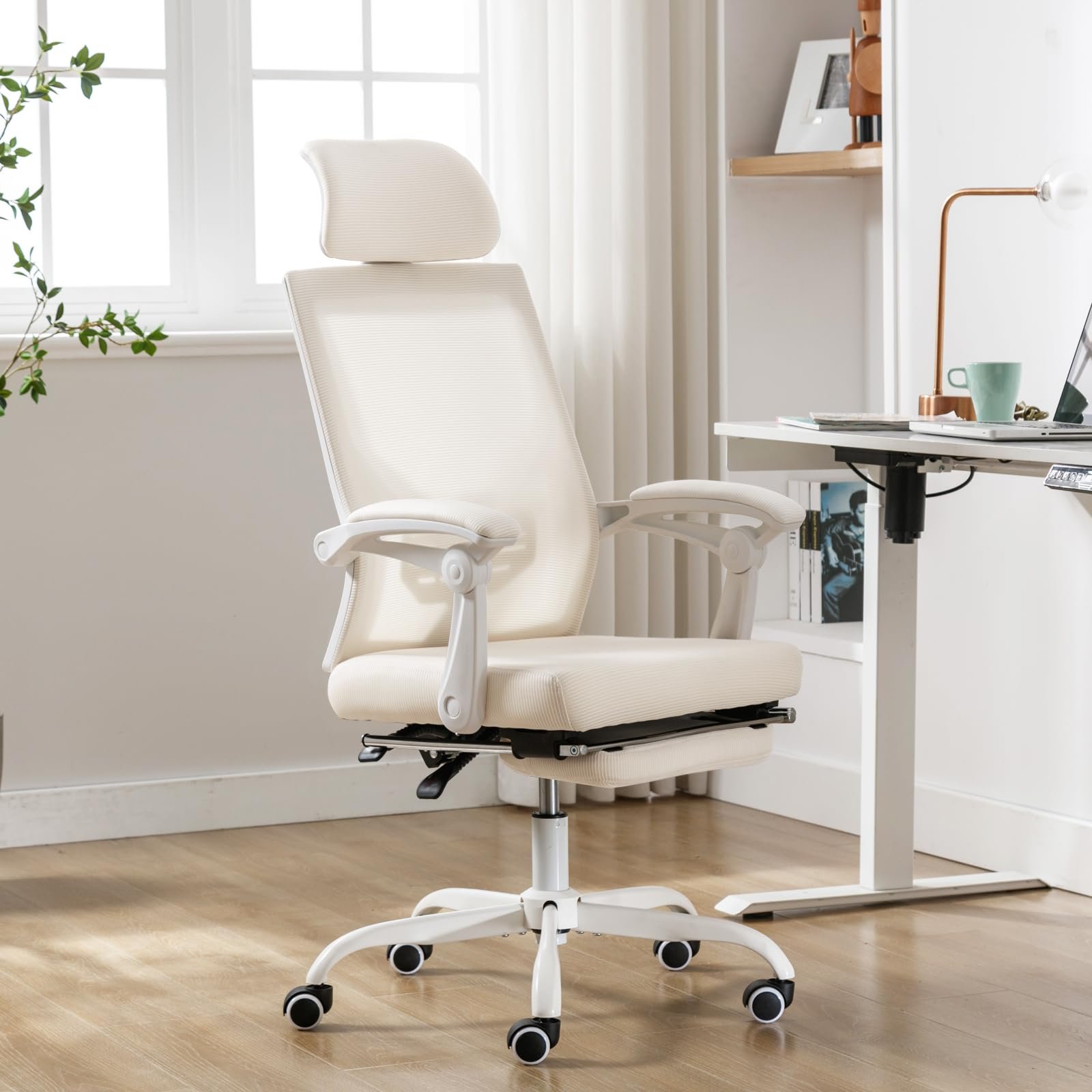
Spending long hours at a desk can take a serious toll on your body, especially if you’re sitting on the wrong office chair. Many people only realize this after experiencing back pain, stiff shoulders, or constant fatigue during the workday.
Choosing the right office chair isn’t just about design or price. It’s about long-term comfort, proper support, and features that match how you actually work.
1.Comfort Comes From Support, Not Softness
A common mistake people make is assuming that a soft chair is a comfortable chair. In reality, overly soft seats often lose their shape quickly and fail to support your spine. A good office chair should feel supportive rather than plush. When you sit down, your weight should be evenly distributed, without pressure points under your thighs or lower back.
A firm but slightly cushioned seat usually performs better over long hours than a thick, pillow-like one
2.Why Lumbar Support Is Essential
Lower back pain is one of the most common issues for people who sit all day. This usually happens when an office chair fails to support the natural curve of the spine.
An ergonomic office chair with built-in lumbar support helps maintain proper posture and reduces pressure on your lower back. Adjustable lumbar support is even better, as it allows you to customize the chair based on your height and sitting position.
3.Adjustability Makes an Office Chair Worth Buying
One-size-fits-all rarely works when it comes to office chairs. At the very least, your chair should allow you to adjust:
- Seat height
- Backrest angle
- Armrest height
Proper adjustability helps keep your feet flat on the floor, your knees at the right angle, and your arms aligned with your desk. This reduces muscle strain and makes long working sessions far more comfortable.
4.Choose Materials That Suit Long Hours
If you work for several hours at a time, material choice matters more than you might think. Mesh office chairs are popular because they improve airflow and reduce heat buildup. This can make a noticeable difference, especially in warm rooms or during long workdays.
Leather office chairs may look professional, but they can trap heat and feel uncomfortable over time. For many people, a breathable mesh back combined with a supportive seat offers the best balance.
5.Build Quality and Stability Matter
A quality office chair should feel stable and solid. A strong base, smooth wheels, and a durable frame all contribute to a better experience. Chairs that wobble or squeak can become distracting and may wear out quickly.
Checking the chair’s weight capacity and warranty is a simple way to judge overall build quality. Reliable brands usually stand behind their products with longer warranties.
Final Thoughts
The right office chair can improve your comfort, focus, and overall well-being. Instead of choosing based on appearance alone, prioritize ergonomic support, adjustability, and durable materials. A well-chosen office chair should feel just as comfortable after months of use as it did on the first day.